

DoubleDouble burial plotFor a couple or two family members planning together.
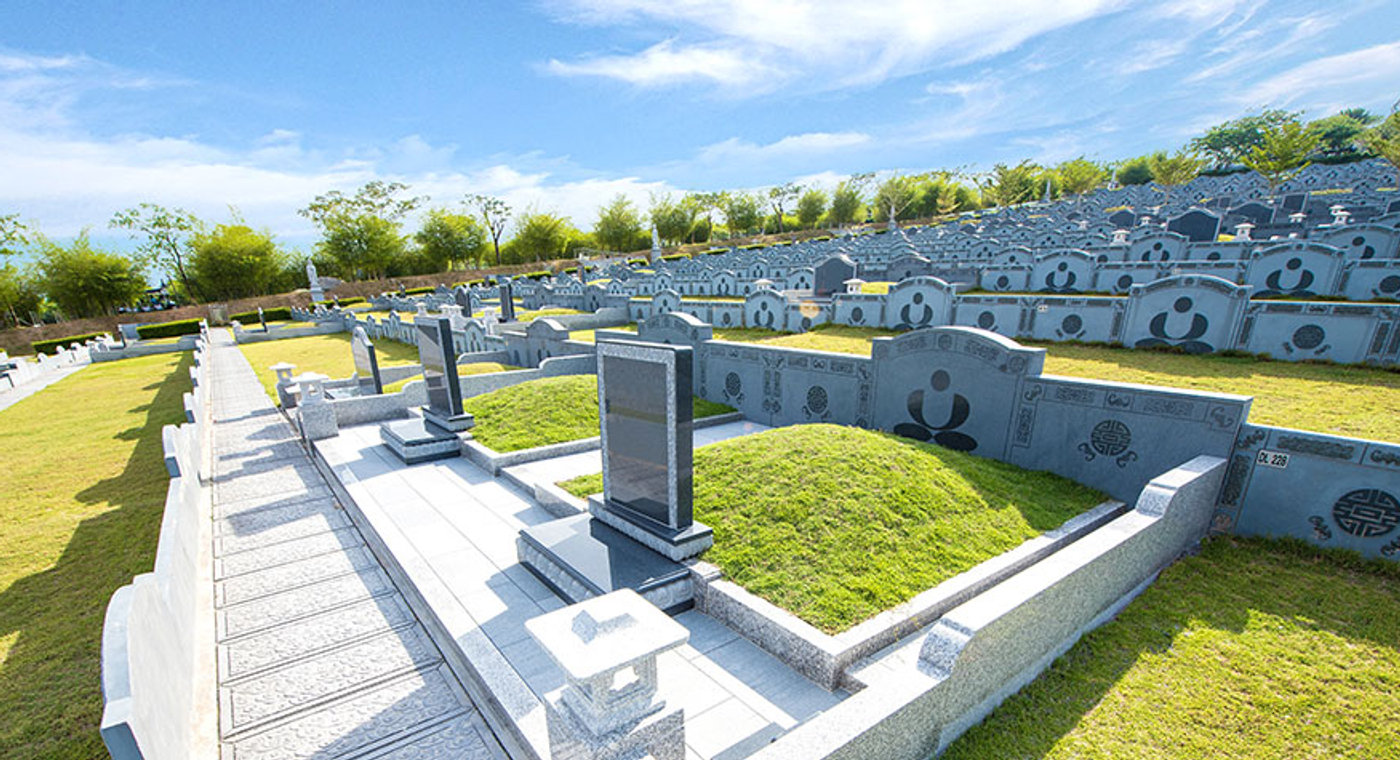
From double burial plots and urn burial lots to family burial plots and family estates, burial land keeps the tradition of being laid to rest in the ground, and gives the family a place to return to over the years to remember, pay respects and honour their loved ones.

Burial land is ground burial space laid out within a memorial park. Unlike an indoor columbarium niche, it keeps the traditional practice of burial in the ground. Each park offers different sizes, depending on its terrain, zones, orientation and product planning.
Common choices include double burial plots and family burial plots. If you are planning for one person, you can also look at urn burial lots or economy package lots. Some parks also offer family estates with more complete space; the products actually available vary by location.
Neither option is necessarily better. Some people prefer an indoor niche; others prefer the land, the natural surroundings and a traditional burial. What really matters is your family's views, beliefs, location and how you will pay respects in the years ahead.
Some families feel a special bond with the land and are more used to traditional burial and paying respects at the graveside.
They like more open space, hill views and greenery, and remembering quietly outdoors.
From family burial plots to family estates, several family members can be planned for in the same area, creating a more complete family memorial space that can be carried on over time.
Different types of burial land suit different numbers of people and family plans. Start with the broad picture, then go to each location for the products actually available.

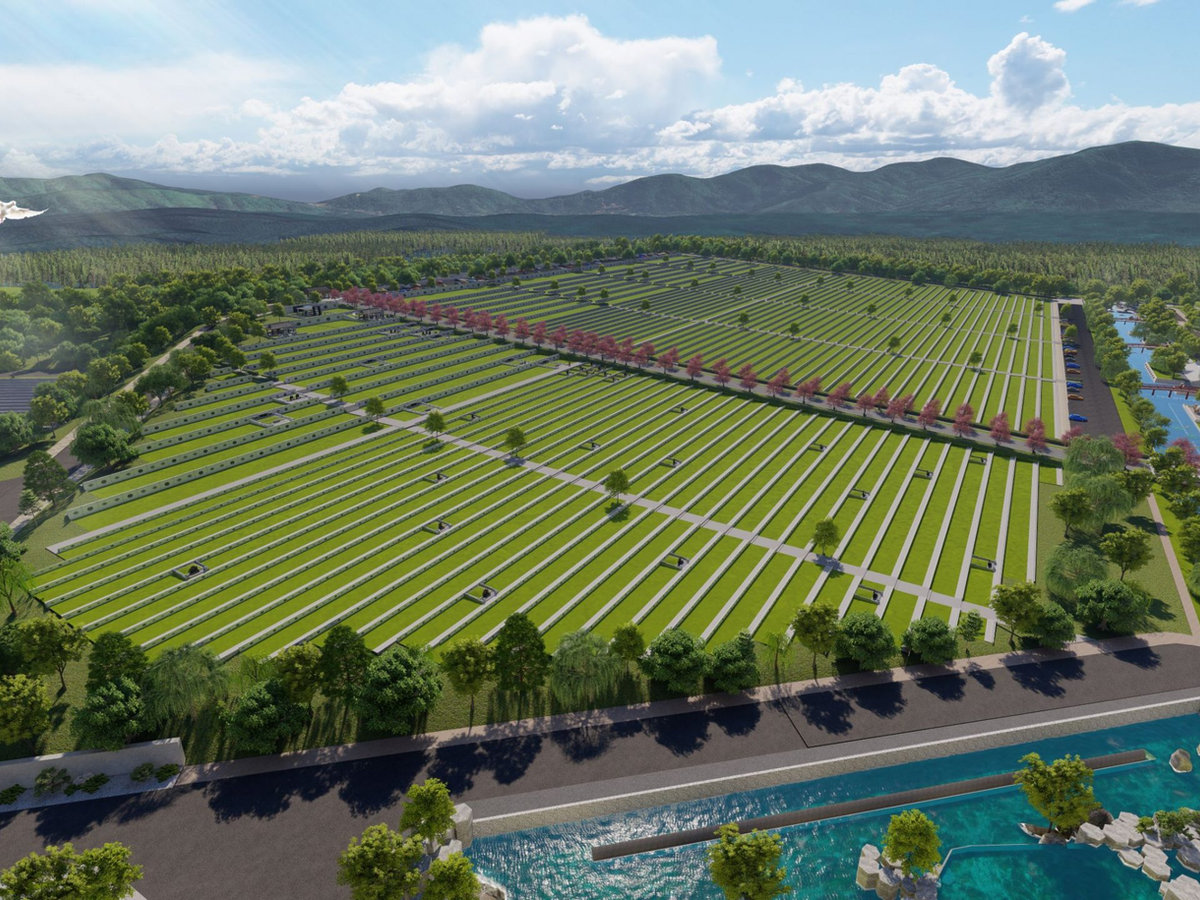


You don't need to decide straight away. Look clearly at a few of the most practical factors first, and you can usually narrow down what suits you, step by step.
How far it is from the family, and how easy it will be to visit the grave and pay respects, are very practical long-term considerations.
Landscaping, roads, parking, cleanliness and long-term upkeep all shape every future visit to pay respects.
Families who value tradition can look at the hills, the water, the terrain and the orientation together with the actual grave position.
First decide whether it is for one person, for a couple, or so that family members can be together in the same area in future.
Beyond the grave style and design in front of you, consider whether there will be enough space for the family in future, and whether the plan can easily be extended.
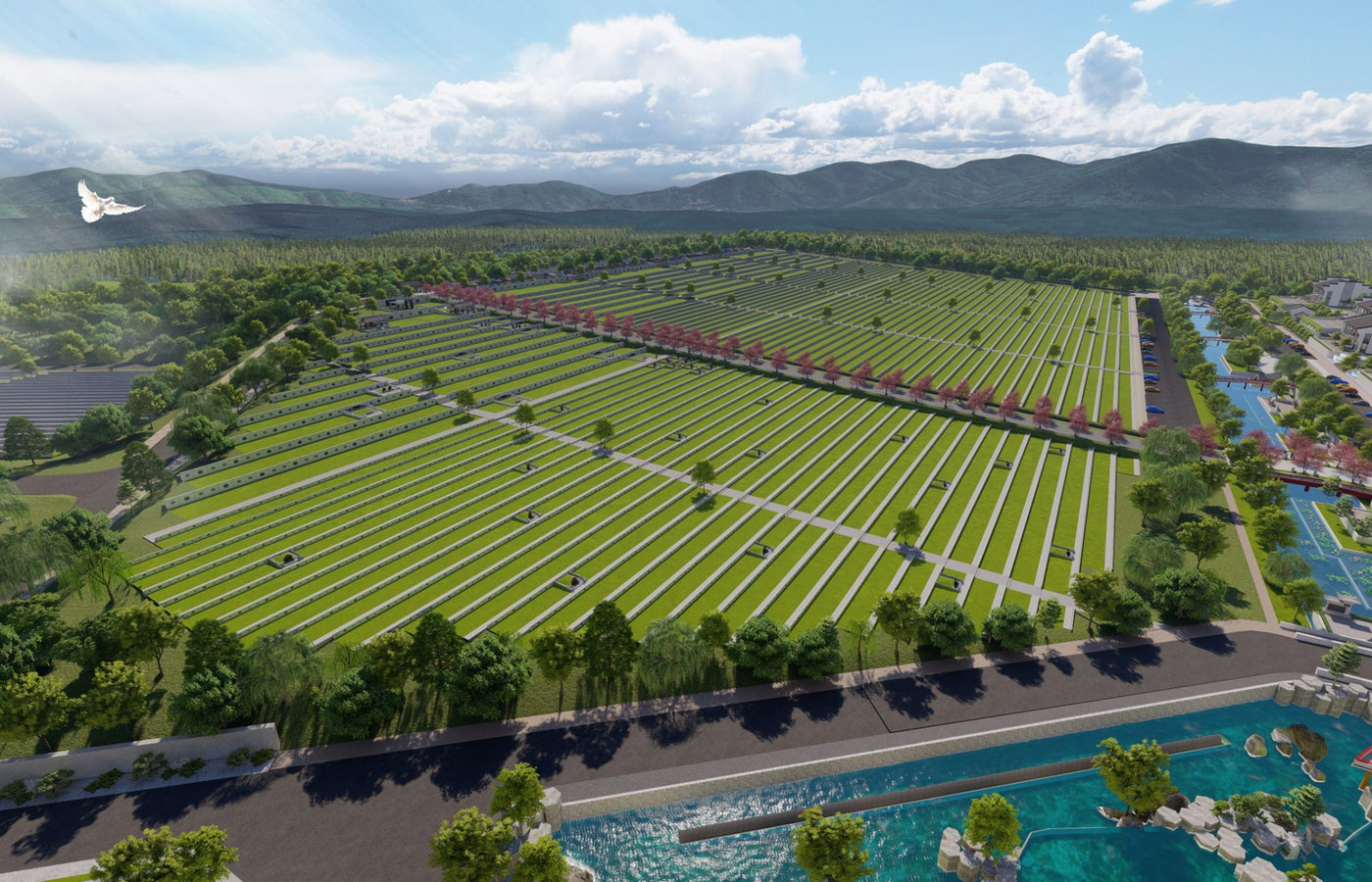
Families who value tradition also pay attention to the hills, the water, the terrain, the ming tang (open frontage) and the orientation.
The point is not to look at one direction alone, but to see the grave position together with the surrounding hills and water, the space and the terrain, then choose in line with your family's customs and actual needs.
Feng shui is a matter of traditional culture and family belief; actual planning should also take into account location, access, park management and the family's long-term needs.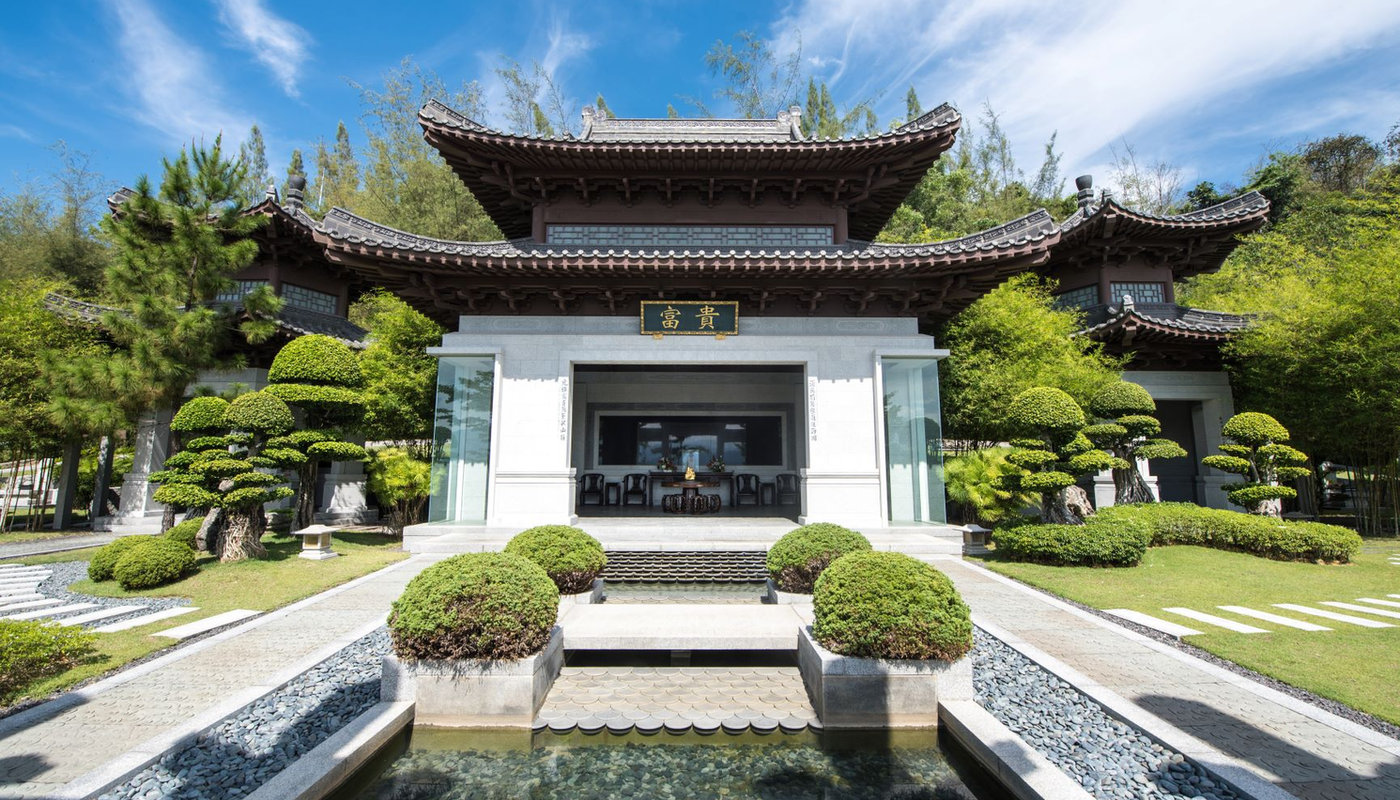
In Chinese tradition, "rest in the earth brings peace" carries the sense of belonging of fallen leaves returning to their roots. Burial land is not just a place of burial; it is also where the family will come back to pay respects, remember and honour.
For burial land in the Northern Region, you can currently start with Bukit Mertajam and Sungai Petani. The two parks differ in terrain, zones and the products available, so you can compare them by location and your family's needs.
Look at location, number of people and family customs first, then take your time comparing burial land types and positions.